
Natural Ingredients for Healthy Hair: A Practical Guide
Quick Summary
Natural ingredients for healthy hair work best when matched to what your hair and scalp need. Plant oils mainly smooth, condition and reduce breakage, and soothing botanicals such as aloe vera and chamomile calm the scalp, but no ingredient reliably speeds up hair growth.
- Oils coat the strand, reduce friction and slow moisture loss, which helps conditioning.
- Use a light oil such as jojoba on fine hair and a richer oil such as avocado on coarse or very dry hair.
- Apply oil sparingly from mid-length to ends, since too much can leave hair greasy.
- Aloe vera, chamomile and calendula support a comfortable, irritated scalp rather than curing a condition.
- Test any growth ingredient for eight to twelve weeks, using same-light photos to compare results.
Table of Contents
- Which Natural Ingredients Support Healthy Hair?
- Natural Oils for Hair: Matching the Oil to Your Hair Type
- Natural Ingredients for Hair Growth: What the Evidence Actually Shows
- Natural Ingredients for Dry Scalp and Itch Relief
- Natural Conditioner for Fine Hair: What to Look For
- Using Natural Ingredients Safely: Dilution, Allergies and Patch Testing
- When Hair Loss Needs a Doctor, and Building Your Own Routine
- Frequently Asked Questions
Which Natural Ingredients Support Healthy Hair?
Last Updated: November 21, 2026
Natural ingredients for healthy hair work best when they match what your hair and scalp actually need. Most of what passes for a "natural" hair treatment is a plant oil, a botanical extract or a gentle cleanser, and each does a different job.
Let's be clear about the limits up front. Plant ingredients can improve how hair feels, looks and handles, but no ingredient reliably changes how fast hair grows. We'll show you what each group does well, where the evidence is thin, and how to choose.
Oils that moisturise and condition
Oils work mainly on the surface of the hair. They coat the strand, reduce friction and slow the loss of moisture, which is why they show up in so many conditioning products. Coconut, argan, jojoba and avocado oils are common choices, and each has a slightly different feel. Lighter oils such as jojoba tend to suit fine hair, while heavier ones such as avocado can help very dry or textured hair.
Too much oil is the most common mistake. A small amount worked through the mid-lengths and ends does more than a heavy coating applied to the scalp, which can leave hair looking greasy and weighed down.
Botanicals and soothing extracts
Botanicals such as aloe vera, chamomile and calendula are often included for their calming qualities. For a scalp that feels tight or irritated, a gentle botanical can make a routine more comfortable. These ingredients support comfort rather than curing a condition, so if itching or flaking persists, that is a question for a pharmacist or doctor.
Natural Oils for Hair: Matching the Oil to Your Hair Type
The right oil depends on your hair's thickness, porosity and scalp. Fine or oily hair usually needs a light oil applied sparingly to the lengths, while coarse, curly or very dry hair often copes better with a richer one.
Start with a few drops warmed between your palms, then work it through the ends. Leave it for a short time before washing, or use it as a pre-wash treatment. Patch test any new oil first, particularly if you have sensitive skin.
The right oil depends on your hair type, so this quick guide matches common oils to the hair they suit best.
| Hair type | Suited oil | Application tip |
|---|---|---|
| Fine or oily | Light oil such as jojoba | Use sparingly on the lengths |
| Coarse, curly or very dry | Richer oil such as avocado | Use a larger amount on the ends |
| Any hair | Any oil | Patch test first, especially if skin is sensitive |
Natural Ingredients for Hair Growth: What the Evidence Actually Shows
This is the area where expectations most often run ahead of the science, and where a little structure helps more than another ingredient list. Rather than asking 'does rosemary grow hair?', separate the claims into three tiers and judge each on its own merits.
Tier 1, surface and cosmetic effects with a clear mechanism. Oils and conditioning agents reduce friction, limit moisture loss and temporarily smooth the cuticle. That can make hair look denser and feel stronger, and it can reduce breakage from combing and styling.
Tier 2, scalp environment support. Ingredients such as aloe vera, chamomile, calendula and oats are used to calm a tight or irritated scalp. A comfortable, intact scalp is a reasonable foundation for healthy-looking hair, but comfort is not the same as regrowth.
Tier 3, direct growth claims. Rosemary, saw palmetto, onion extract, caffeine and similar actives are widely promoted for growth. Some small trials exist, often short, often with small numbers of participants, and results are not consistent across studies.
What natural ingredients can realistically do is support a healthy scalp and reduce breakage, which makes hair look fuller over time. Real regrowth depends on the cause of hair loss, which may be genetic, hormonal, nutritional or medical, and those causes respond to different treatments, not to a single oil.
A practical way to test any growth ingredient on yourself: change one variable at a time, keep the rest of your routine stable, and give it at least eight to twelve weeks before judging. Take a photo in the same light at the start and at the end.
Natural Ingredients for Dry Scalp and Itch Relief
A dry, itchy scalp often responds to gentle cleansing and moisture rather than strong treatments. Ingredients with soothing properties, such as aloe vera and oats, are commonly used, while tea tree oil is popular but needs careful dilution because it can irritate.
Avoid scrubbing or washing too often with harsh products, as these can make the scalp drier. If itching is severe, spreading, or accompanied by sores or hair loss, see a doctor.
Natural Conditioner for Fine Hair: What to Look For
Fine hair is easily weighed down, so the goal is softness and slip without residue. The ingredient list matters more than the format, and a few rules of thumb help.
Choose light oils over rich butters. Jojoba and grapeseed oils are close to the scalp's own sebum and tend to absorb or rinse cleanly. Coconut oil is effective at reducing protein loss from the strand, but it is solid at room temperature and can leave fine hair lank if applied too heavily.
Look for humectants and light conditioners. Glycerin, aloe vera and hydrolysed plant proteins add softness and a little body without a heavy film. Panthenol (a form of vitamin B5) is common in lightweight conditioners for the same reason.
Apply from mid-length to ends, not the roots. The scalp produces its own oil; the ends are where dryness and split ends actually occur. Rinse thoroughly, and if your hair still feels coated, use less next time rather than reaching for a stronger cleanser.
Match frequency to your scalp, not your ends. If your scalp is oily but your ends are dry, you may need to condition the ends more often than you wash the scalp, or use a lighter conditioner on wash days and a richer treatment occasionally. A common pattern is that fine hair does best with frequent, small amounts rather than an occasional heavy mask.
Our Bulan Conditioner, for example, is designed for dry, damaged and colour-treated hair, so if your fine hair is also dry, check how it feels before committing to a full routine.
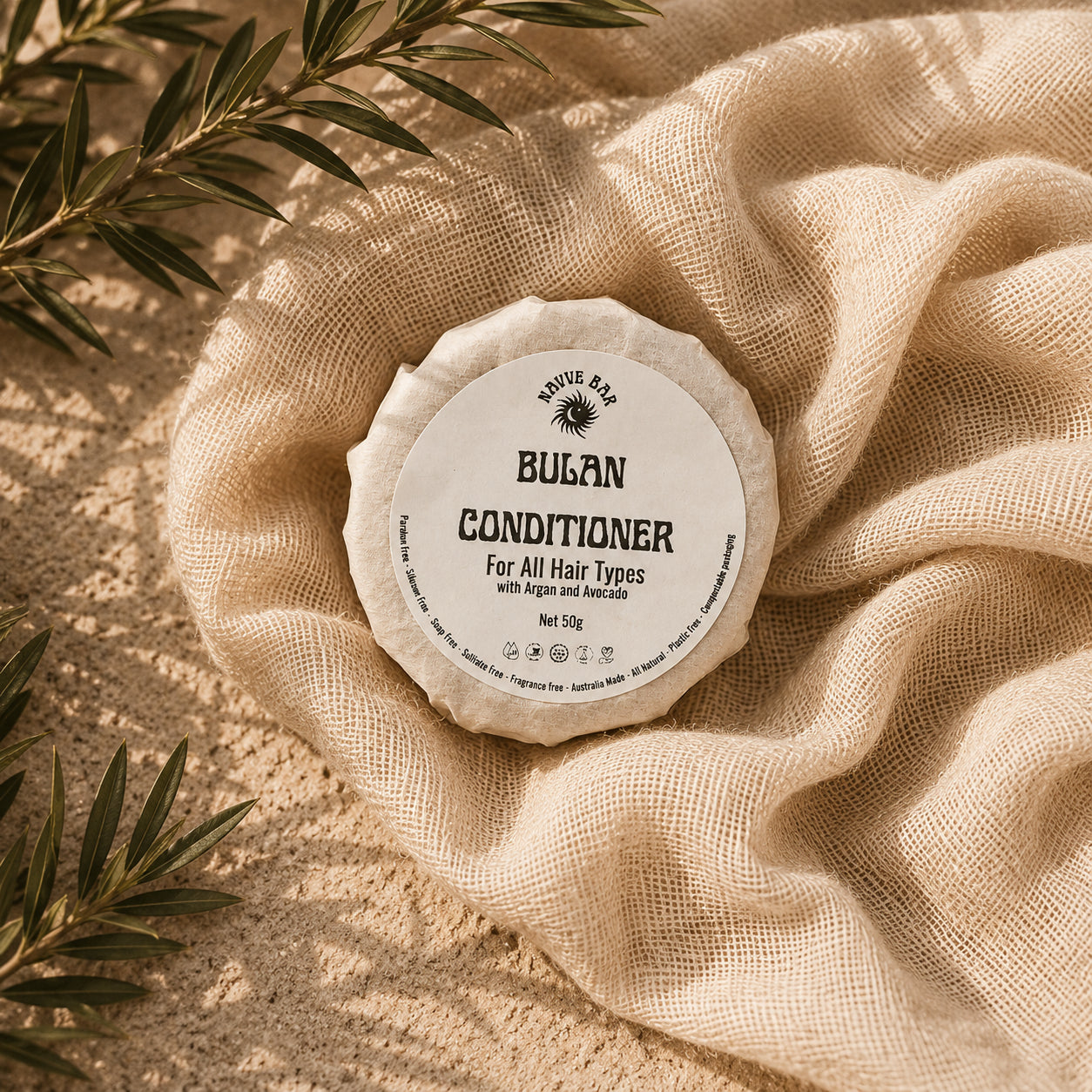
Watch out: heavy oils and butters applied near the roots can worsen buildup and greasiness on fine hair, and over-conditioning can make hair feel limp even when it is technically clean.
Using Natural Ingredients Safely: Dilution, Allergies and Patch Testing
"Natural" does not mean risk-free. Essential oils are concentrated and can cause skin reactions if applied undiluted. Before using a new product, do a patch test: apply a small amount to the inner forearm or behind the ear, and wait 24 to 48 hours. Redness, itching or swelling means stop using it.
Dilute essential oils in a carrier oil, and keep to a few drops per tablespoon. Remember that a reaction can develop even to ingredients you have used before, and that pregnant or breastfeeding people should check ingredients with a health professional.
When Hair Loss Needs a Doctor, and Building Your Own Routine
See a doctor if hair loss is sudden, patchy, or accompanied by scalp pain, rashes or fatigue. These can signal conditions that natural products will not treat. Blood tests can check for common causes such as low iron or thyroid problems.
For your own routine, keep it simple. Choose a gentle cleanser suited to your scalp, condition from mid-length to ends, add an oil if your hair is dry, and change one thing at a time so you can see what works. Give any change several weeks before judging it. Consistency and patience matter more than any single ingredient.
Frequently Asked Questions
What natural ingredients are good for healthy hair?
Several botanical ingredients are commonly used for hair condition. Plant oils such as argan, jojoba, coconut and avocado help moisturise lengths and reduce dryness. Aloe vera is valued for soothing the scalp and adding slip to conditioners. Ingredients like rosemary and peppermint are often included for their scent and perceived scalp feel. Evidence varies by ingredient: oils mainly improve surface condition and manageability, while claims about strengthening or growth are less well supported. Start with one or two ingredients suited to your hair type and watch how your hair responds over several weeks.
Which natural ingredients help support hair growth?
No natural ingredient has strong, consistent evidence for growing hair in people with normal hair loss patterns. Some ingredients, such as rosemary oil, have small studies suggesting possible benefits for hair density, but these are limited in size and quality. What natural ingredients can realistically do is support a healthy scalp and reduce breakage, so existing hair stays longer. If you notice noticeable thinning or shedding, see a GP, as causes such as iron deficiency or thyroid problems need proper assessment.
What oils are best for dry or damaged hair?
For dry or damaged hair, heavier plant oils such as argan, avocado and olive oil are commonly used because they coat the hair shaft and reduce moisture loss. Coconut oil penetrates the hair shaft more than most oils, which some people find helpful for damaged strands. Apply a small amount to mid-lengths and ends rather than the scalp, and leave it on for at least 20 minutes or overnight before washing. Lighter oils like jojoba suit people who find heavier oils weigh their hair down.
Is aloe vera good for your hair and scalp?
Aloe vera is widely used for its soothing and hydrating properties. On the scalp it can help calm mild dryness and irritation, and it adds slip that makes hair easier to detangle. It is not a treatment for dandruff caused by fungal conditions or for significant hair loss. Choose products where aloe is a recognised ingredient rather than a minor addition, and do a patch test first, since some people react to aloe or to the other ingredients in a blend.
Can natural ingredients help with a dry, itchy scalp?
Natural ingredients may ease mild dryness and itchiness. Aloe vera, jojoba oil and gentle botanical cleansers are commonly chosen for sensitive scalps. Avoid applying undiluted essential oils such as tea tree or peppermint directly to the skin, as they can cause irritation. If itching is persistent, flaky, painful or spreading, or does not improve after several weeks, see a doctor or pharmacist, since eczema, psoriasis and fungal infections need proper treatment.
What natural ingredients are suitable for fine hair?
Fine hair is easily weighed down, so lightweight ingredients usually work best. Aloe vera, light botanical extracts and jojoba oil are less likely to flatten hair than heavy butters or thick oils. Look for conditioners that rinse clean and leave hair soft without a waxy film. Apply conditioner mainly to the mid-lengths and ends, and avoid the roots. Testing a small amount on one section first can show whether a product adds too much weight for your hair.
How often should you use natural hair treatments?
A common approach is to use a deep oil or mask treatment once a week, and use a regular conditioner after most washes. Over-treating can leave fine or oily hair heavy, while dry or coarse hair may tolerate more frequent use. Adjust based on how your hair looks and feels after each treatment, and give any new routine at least four to six weeks before judging the result.
How can you add botanical ingredients to a hair care routine?
Start by changing one product at a time, so you can tell what is working. Use oils on the lengths and ends before washing, and keep scalp products light. Patch test any new product on the inner arm for two days, and stop use if redness, burning or swelling appears.
